Arms Hugging a Heart: A Design Review
First Impressions and Emotional Pull
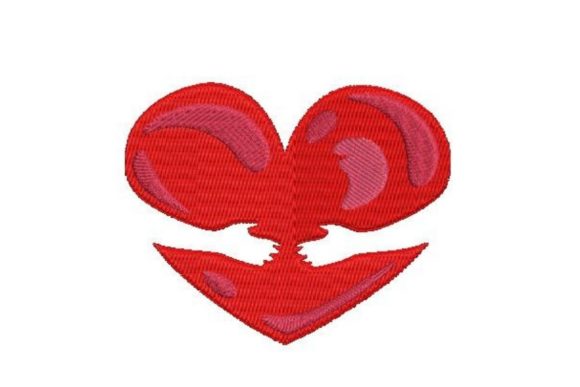
When I first opened the digital embroidery file for Arms Hugging a Heart, the mood hit me instantly. This is not a generic love symbol. The composition feels tender, protective, and deeply human. Two arms wrap around a central heart, not in a stiff symmetrical pose, but with a gentle, organic curve that suggests real comfort. The description says it perfectly: “Use this warm embroidery design to spread the love around you and show support to people that need your help.” That mission is visible in the linework. For a boutique brand preparing a limited sweatshirt drop, this design carries a message that goes beyond decoration—it becomes a wearable gesture of care.
As an embroidery designer, I immediately thought about how the layout would translate to thread. The arms are drawn with a soft, sketched quality, not overly detailed anatomical renderings, which works beautifully for a stitched interpretation. The heart is the focal point, bold enough to read clearly even from a distance, but the hugging arms introduce a narrative. This balance between simplicity and storytelling is what makes a design feel premium rather than just cute. I would place it in the Inspirational category without hesitation. It has the kind of emotional weight that small shop owners crave for their handmade product lines.
How It Feels on Fabric
In my mind, I’m already hooping a plush, neutral sweatshirt blank. The texture of a brushed fleece backside will let the embroidery file sit beautifully, giving the stitched arms a slightly dimensional, almost hand-drawn look. On a cream or oatmeal sweatshirt, the design would feel cozy and minimal, ideal for a boutique brand that leans into soft, everyday luxury. On a dark fabric—charcoal, espresso, or deep navy—the heart would pop dramatically if we choose the right thread colors. A matte red heart with pale blush or ivory arms would create a striking contrast, while still keeping the mood gentle.
For pastel sweatshirts, imagine a dusty pink or lavender base. The design becomes inherently feminine and playful, yet the message prevents it from feeling childish. An oversized hoodie with puff sleeves would turn this into a emotional statement piece. I can already picture a lifestyle product photography shot: someone standing in soft window light, arms crossed, the embroidered heart centered on the chest, quiet and powerful. That is the kind of visual storytelling that sells on Etsy and elevates a custom apparel line.
Placement and Production Possibilities
Placement is where this design truly shines. For a classic sweatshirt chest placement, I would size it around 3.5 to 4.5 inches wide. That keeps the heart readable and the arms visible without overwhelming the garment. The proportions of Arms Hugging a Heart feel naturally suited to a left-chest position, right over the wearer’s own heart, which is a subtle but powerful design choice. On an oversized hoodie, a slightly larger version could work as a center chest decoration, or even dropped down to a belly placement for a more streetwear, modern aesthetic.
I also love the idea of using this as a sleeve accent. A smaller version on the cuff or upper arm of a raglan sweatshirt would surprise and delight customers. For a back design, scaling it up to 6 or 7 inches could create a bold statement, but I would test the stitch density carefully—enlarging a design with thin arm lines risks losing the delicate feel. The machine embroidery design must maintain its line integrity at every hoop size. If you are an Etsy seller offering multiple placement options, provide mockup previews showing each variation. Printable mockups overlaid with the design help customers visualize the finished product, reducing hesitation and increasing trust.
Practical Embroidery Considerations
Before loading this onto my commercial machine, I always check the embroidery file details. The product description does not list stitch count, file format, or hoop size, and that is perfectly fine—it simply means you must review those technical specifications before production. A design like this, with flowing arm outlines and a filled heart, likely has a moderate stitch density. Too dense and the fabric puckers; too light and the arms look faint. I would run a sew-out on a similar fabric texture to the final sweatshirt blank. Cotton fleece and French terry behave differently, so I keep a stash of test swatches ready.
Stabilizer choice is non-negotiable. For a stretchy sweatshirt, a cut-away stabilizer is my go-to. It prevents the design from distorting during wear and washing. If you are producing for a boutique line, washing durability directly impacts your brand reputation. I always instruct my team to wash the sew-out sample at least three times, examining the arms for any thread breakage or loosening. The heart, being a filled shape, will likely hold up well, but the thin lines of the arms need a solid underlay and a tight, short stitch length. I would also consider using a slightly thicker thread for the arms—maybe a 40-weight polyester—to give them a tactile, almost hand-sewn presence.
Thread color selection is where the designer’s eye makes a difference. For a commercial embroidery project, I would develop a palette of three to four options. The classic red heart with cream arms is a safe, universally loved choice. But a monochromatic look—say, a slate blue heart with matching arms on a heathered gray hoodie—creates an understated, elevated feel that boutique buyers adore. I would avoid metallic or neon threads unless the brand identity calls for it. This design thrives on warmth, not flash.
Branding and the Boutique Buyer
Small clothing brands thrive on emotional connection, and Arms Hugging a Heart acts as a visual anchor for that connection. When a customer sees this design on a handmade product, they immediately understand the intention. It says “I see you, I care.” That message builds buyer trust and encourages repeat purchases. I have seen how a single strong design can become a signature motif for a small shop product line—appearing on sweatshirts, tote bags, and even baby onesies. If you are a digital seller offering the embroidery file, your Etsy listing should highlight this emotional narrative. Use the description words: “spread the love,” “show support,” “friendly action.” Buyers searching for Inspirational designs will connect with those exact phrases.
For a boutique brand, the presentation of the finished product matters almost as much as the stitching. When I photograph apparel featuring this design, I always include a close-up of the heart’s texture and the delicate curve of the arms. These details signal quality. In a mockup preview, I overlay the design onto a nicely steamed sweatshirt, ensuring the hoop burn marks are edited out and the fabric looks soft. This attention to detail increases perceived value. A design this emotionally expressive can justify a higher price point, especially when paired with high-quality blanks and sustainable packaging.
Seasonal Versatility and Color Play
One of the reasons I’m eager to use Arms Hugging a Heart in our next collection is its year-round relevance. It is not tied to a holiday, yet it fits beautifully into Valentine’s Day drops, mental health awareness campaigns, friendship-themed launches, and cozy autumn gatherings. For a winter release, I would stitch it on a heavyweight fleece hoodie in oat or forest green, using a two-tone thread combination: a deep burgundy heart and warm sand arms. The result feels rustic and grounding. For spring, a light pink sweatshirt with a white heart and soft peach arms creates a feminine, fresh design that appeals to the handmade market.
Dark fabric, as mentioned, requires careful contrast. I would avoid black arms on a black sweatshirt—the design would lose its shape. Instead, a charcoal base with silver-gray arms and a muted rose heart could become a moody, editorial-worthy piece. The key is to let the hugging gesture remain visible. The design’s strength lies in the relationship between the arms and the heart, so thread color choices must honor that relationship. I often create a small physical swatch card with thread snippets laid over the fabric to test how they read in natural light and under a camera flash. This step saves costly mistakes.
The Final Verdict for Apparel Decorators
After evaluating the visual concept, imagining the stitch-out, and considering placement, Arms Hugging a Heart earns a solid place in my design library. It is not overly complex, which means it stitches efficiently and reduces machine runtime for a commercial embroidery setup. The mood is undeniably warm, making it a strong candidate for a boutique brand that wants to build a recognizable, emotionally resonant identity. The design assets, when integrated into a cohesive product line, can increase customer engagement and social media shareability. People love to tag themselves in photos of meaningful apparel.
Remember to request the precise stitch count and hoop size from the digital embroidery file source before beginning production. Test the design on the exact fabric texture you intend to sell, and never skip the wash test. If you are an Etsy seller offering this as a finished product, write your listing description with the same warmth the design carries. Talk about how the stitched arms feel under someone’s fingertips, how the heart sits just right on a well-loved hoodie. That kind of storytelling turns a simple sweatshirt into a sold-out item.
In the hands of a thoughtful decorator, this design becomes more than a decoration. It becomes a small, stitched piece of human connection. And that is exactly what boutique apparel is all about.