Camel in Desert Embroidery Design: A Stitcher’s Honest Review
First Impressions: The Visual Mood and Detail Level
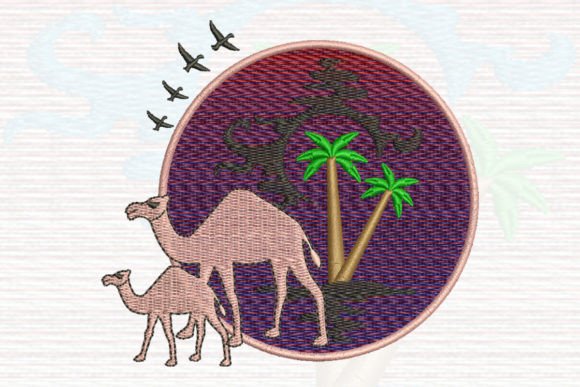
When I first opened the Camel in Desert embroidery file, the immediate mood struck me as calm yet textured. It’s not a generic silhouette; the design leans into a gentle, storybook aesthetic. The camel’s posture, the suggestion of dunes, and the overall composition feel curated for projects that need a touch of wanderlust without being overly complex. As a machine embroidery designer, I evaluate every digital embroidery file by how it will read on fabric, not just on the screen. The preview showed clean outlines, good separation between elements, and what looked like a purposeful mix of satin stitch and fill stitch areas. That balance often determines whether a design looks like a cheap decal or a premium handmade product.
The personality of the design is gentle and warm. It’s not cartoonish, but it’s not hyper-realistic either. This middle ground is perfect for crafters who sell to customers looking for handcrafted charm. The camel motif immediately suggests travel, resilience, and a connection to nature — themes that resonate in nursery decor, boho accessories, and thoughtful gifts. The decorative appeal lies in its simplicity; it’s detailed enough to catch the eye but not so dense that it becomes a chore to stitch out. I could already picture it on a linen tote bag, a denim jacket, or a soft cotton baby blanket.
Which Projects Does Camel in Desert Suit Best?
From a product designer’s perspective, Camel in Desert shines in specific niches. It’s not a universal all-over print, but a focused statement piece. Here are the projects where I believe it would feel most at home:
- Custom apparel — especially on the back of a denim jacket or the front pocket of a chambray shirt. The desert theme pairs beautifully with earthy fabric colors.
- Tote bag design — a single, centered placement on a canvas tote transforms a plain bag into a boutique-worthy accessory.
- Sweatshirt embroidery — for a cozy, adventure-inspired look. The design’s soft edges feel right at home on fleece or French terry.
- Baby items — a nursery wall hanging, a crib sheet accent, or a delicate baby blanket corner. The camel is gender-neutral and calming.
- Caps and patches — with careful hoop placement, this could make a unique embroidered patch or a subtle cap decoration.
- Aprons and kitchen towels — the desert theme feels unexpected yet charming for a food vendor or home baker.
- Pillow covers — a linen pillow with this design adds a curated, global-market feel to living spaces.
- Handmade gifts — think housewarming presents, travel journals, or personalized keepsakes.
For Etsy sellers and small business owners, this design opens up a range of listing possibilities. A single embroidery file can become multiple finished products, each with its own shop section. The key is to photograph the stitched piece in a way that tells a story — perhaps with a vintage map, some dried grasses, or a linen backdrop.
Stitching Performance on Different Fabrics and Surfaces
In real embroidery work, not every design performs equally across all fabrics. I always do a test run on scrap material before committing to a customer order. Here’s what I anticipate for Camel in Desert based on its visual structure and typical Creative Fabrica embroidery design builds:
On Natural Fibers
Cotton, linen, and canvas are forgiving. The stitch definition should hold up well, and the texture of the fabric can actually enhance the desert vibe. I’d use a medium-weight cutaway stabilizer to prevent shifting, especially if the design has fill stitch areas that could pull over time.
On Stretchy or Textured Fabrics
Sweatshirts and knits need extra care. A no-show mesh stabilizer on top, along with a firm backing, will help the stitches sit above the fabric pile. Without it, the camel’s details could sink and blur. I’m always cautious with dense stitch areas on fleece — they can become stiff and uncomfortable. I’d check the stitch density before proceeding.
On Dark Fabrics
This is where thread color contrast becomes critical. A design with too many dark outlines may disappear on a black tote. I’d test the design on a dark swatch first, possibly lightening a few thread colors or adding a subtle background fill if the design allows. The desert sun and dune elements might need to pop more, so I’d choose threads that are slightly brighter than the mockup suggests.
On Curved Cap Surfaces
Caps are tricky because the design must be small enough to fit the front panel and still be legible. If Camel in Desert includes tiny lettering or fine details, they could close up on a cap’s seam. I’d check the product page for recommended hoop sizes and consider whether the design scales down without losing its charm. For a patch, I’d stitch it on felt or twill first, then attach it to the cap.
Frequent Washing and Durability
For items like kitchen towels or baby clothes that get washed often, the stitch quality matters. Satin stitch borders that are too narrow can fray. I’d examine the design’s edge finishing and possibly run a slightly wider satin stitch on my own machine if the file allows editing. A dense fill stitch with a stable underlay will hold up better over time, keeping the finished product looking professional after many cycles.
Practical Embroidery Notes for a Flawless Finish
Every new design from Creative Fabrica deserves a thorough test before you offer it to customers. Here’s my checklist for Camel in Desert:
- Check the hoop size — before downloading, confirm the file’s dimensions match your machine’s capabilities. The product description says it’s a quick and easy design, which often implies a smaller hoop, but always verify.
- Review stitch density — open the file in your software and look for areas that might be overly dense. Adjust if needed to avoid thread breaks or puckering.
- Test on scrap fabric — stitch out the design on a fabric similar to your final product. Watch for registration issues, especially if there are multiple layers.
- Compare light and dark fabric mockups — thread colors that look beautiful on a white screen can wash out on oatmeal linen or disappear on navy blue. Make a physical test.
- Use proper stabilizer — I default to a cutaway for garments and a tear-away for structured bags. For delicate fabrics, a water-soluble topper can save the nap.
- Inspect small details — a camel’s eye, hooves, or tiny text can become unreadable if the stitch isn’t precise. After stitching, check every element under good light.
- Confirm file details and licensing — the Creative Fabrica product page will list the exact file formats, license terms, and any usage restrictions. Always read before selling finished items.
Using Camel in Desert for Commercial and Handmade Product Lines
For those of us who sell finished products, a design like Camel in Desert can be a smart addition to a commercial embroidery collection. It’s versatile enough to cross over into multiple product categories. I often think about how a single design can be a design asset — not just a one-time stitch, but a recurring motif in a boutique line. Pair it with a matching text, a coordinating border, or a simple geometric pattern, and you’ve got a cohesive set for Etsy listings or craft fair products.
When I plan a handmade product line, I consider how the embroidery will look in a printable mockup. Customers often click on a listing because of the lifestyle photo, but the mockup shows the detail. If the design photographs well — and a desert scene with a camel has natural storytelling potential — it can increase engagement. I’d stage the tote bag with a few desert props, or show the sweatshirt against a terracotta wall. That visual appeal builds buyer trust and reinforces brand consistency.
Giftability is another factor. A camel embroidery design feels personal and intentional, not mass-produced. It’s an excellent choice for a personalized gift — add a name or a date, and you’ve elevated the piece. This emotional connection often translates to higher perceived value and repeat customers.
How This Design Enhances Customer Perception and Sales
In the handmade space, the difference between a sale and a passed-by listing often comes down to the perceived care in the stitching. A well-executed applique design or a clean satin stitch edge signals quality. When a customer sees Camel in Desert on a pillow cover, they’re not just buying a pillow; they’re buying the feeling of a sun-warmed desert morning. The right thread colors — warm ochres, dusty teals, soft creams — can make the design feel expensive and layered.
I’ve found that animal motifs, especially ones that are a little unexpected like a camel, tend to attract attention. It’s a conversation starter. For a boutique merchandise line, that uniqueness can justify a higher price point. The key is to present the finished product with confidence, using consistent branding and high-quality product photography.
From a customer engagement standpoint, this design lends itself to seasonal collections — think fall releases, holiday gifts, or spring travel themes. You can create a small collection around the “desert explorer” aesthetic and build a loyal following. The commercial embroidery potential is real, provided you adhere to the license terms on Creative Fabrica.
File Details and Creative Fabrica Licensing: What to Check Before You Stitch
Since the product description is brief, I can’t comment on the exact stitch count, file formats, or software compatibility. However, Creative Fabrica typically provides multiple formats like DST, PES, JEF, and EXP. The product page should list all included formats and the hoop size. Before you rely on this digital embroidery file for a customer order, I strongly recommend you:
- Verify the hoop size and dimensions.
- Check if the design is a single file or requires multiple hoopings.
- Note the recommended thread colors and whether they are from a specific brand.
- Read the license carefully — some designs are for personal use only, while others allow commercial use of the finished product. The Creative Fabrica embroidery license is usually generous, but always confirm.
If you plan to sell the design as part of a digital embroidery bundle or as an embroidered patch that others will resell, the license terms become even more important. Don’t assume; look it up.
Final Thoughts: Is Camel in Desert Worth Your Time and Thread?
After considering the design from every angle — the mood, the practical stitch-out, the commercial applications — I believe Camel in Desert is a worthwhile addition for anyone who creates product lines with a natural, wanderlust, or boho theme. It’s not a design I’d use on high-volume, fast-turnaround items without thorough testing, but for thoughtful, curated handmade pieces, it brings a quiet charm that many customers actively seek. The Animals category often leans toward pets or farm animals, so a camel stands out in a refreshing way.
As with any machine embroidery design, the success lies in the preparation. Test your stabilizer, choose fabrics that complement the Embroidery style, and don’t be afraid to tweak thread colors to match your brand. The design’s quick and easy nature, as hinted in the description, suggests it won’t be a marathon stitch-out, which is a plus for batch production. I’d feel confident listing it on a custom apparel option, a tote bag design, or a set of nursery decor items. The final product, when executed well, looks like a piece from a small artisan shop — and that’s exactly the kind of value we want to deliver.
For everything from handmade gifts to craft fair products, Camel in Desert earns its place in your embroidery library. Just remember to visit the Creative Fabrica product page, check the latest file details, and stitch a sample before you commit to a full production run. That one test can make all the difference between a project that wows and one that disappoints.