Heart Bean Stitch: A Designer’s Holiday Hit
As a working embroidery designer who builds seasonal collections year after year, I don’t add a design to my shop lightly. Every file has to earn its place. When I first loaded the Heart Bean Stitch into my software, I wasn’t just looking at another heart. I was looking at a potential holiday workhorse — and I liked what I saw. This machine embroidery design immediately felt like something that could live across multiple product categories, from Valentine’s Day gift bundles to cozy winter home decor. Let me walk you through what makes it stand out, how I’d use it in real selling situations, and what you need to know before you stitch it out.
First Impressions: Cozy, Nostalgic, and Surprisingly Versatile
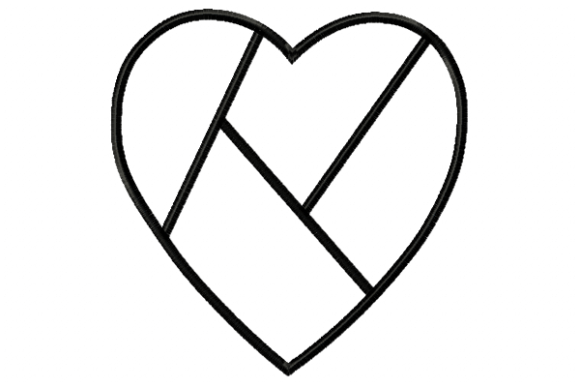
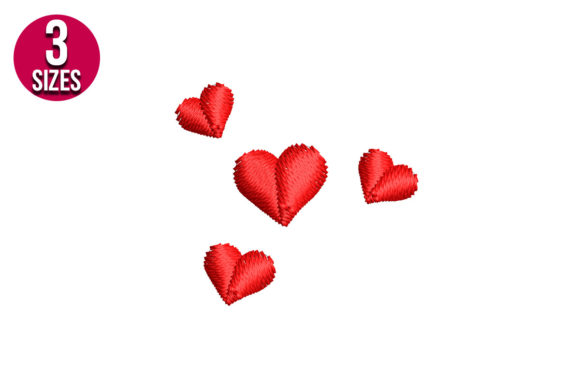
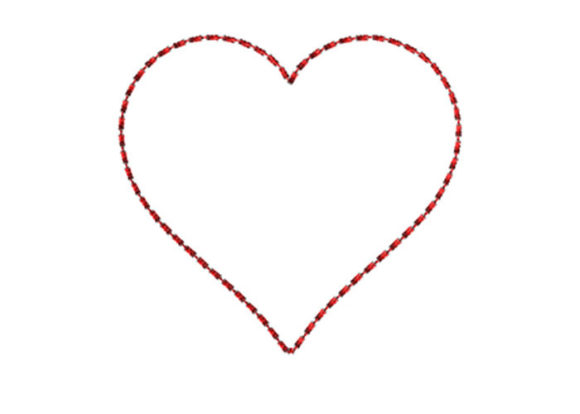
The Heart Bean Stitch isn’t your typical flat satin outline. The “bean” texture gives it a soft, almost hand-stitched look — like a lovingly mended sweater or a vintage embroidery patch. It’s sweet without being cutesy, rustic but still refined. The emotional tone lands somewhere between nostalgic childhood valentines and modern farmhouse charm. That’s a rare sweet spot. For seasonal embroidery, you want a design that feels festive but not so specific that it can’t be used outside one holiday. This one walks that line beautifully. I can see it working just as well on a Christmas-themed kitchen towel as on a February pillow cover. The included color chart makes it easy to adapt the palette to different seasons, too — deep reds and blush pinks for Valentine’s Day, sage green and cream for year-round decor, or icy blue and silver for winter.
Why Texture Matters in Holiday Product Lines
In a crowded marketplace, flat embroidery often gets scrolled past. Texture stops the scroll. The bean stitch construction gives the heart a dimensional, tactile quality that photographs exceptionally well. For Etsy sellers and small shop owners, that’s pure gold. A close-up mockup of a textured heart on a linen pillow cover or a ribbed knit sweatshirt instantly communicates quality and handmade care. It tells a buyer, “This isn’t just a printed graphic — this is stitched art.” That perceived value directly supports higher price points and better giftability. When I’m planning limited-edition Valentine’s Day drops, I specifically look for embroidery files that feel substantial under the fingertips. The Heart Bean Stitch delivers that.
Seasonal Performance: Where This Design Shines Brightest
Let’s get practical. Here’s how I’d deploy this design across real holiday selling scenarios:
- Gift bundles: Pair the heart with a coordinating mini monogram or a year digit on a canvas tote bag. Instant personalized gift set.
- Craft fair displays: Stitch it on small linen pouches, sachets, or fabric ornaments. The texture draws people in from across the aisle.
- Family matching apparel: A bean stitch heart on a crewneck sweatshirt for mom, a smaller version on a baby onesie. The cohesive look feels curated, not cheap.
- Home decor accent: I’d use it on a set of two pillow covers, paired with a simple seasonal word like “love” or “home.” The design becomes the hero, not the text.
- Social media previews: A looped stitch-out video of the bean pattern forming will outperform any static image. The texture is inherently watchable.
For Valentine’s Day specifically, the Heart Bean Stitch is a no-brainer. But don’t limit yourself. I’ve already planned a spring product line using this design in pastel thread colors on kitchen towels and lightweight aprons. It’s that flexible.
Product Mockups and Buyer Psychology
When I create product listings, I’m not just selling a stitch file. I’m selling the feeling of giving or receiving the finished product. The Heart Bean Stitch makes that easy. A simple mockup of a cream-colored sweatshirt with this heart on the chest says “cozy morning coffee and a heartfelt note.” That emotional pull is what converts browsers into buyers during the holiday rush. I’d recommend creating at least three distinct mockups: one on a warm neutral garment, one on a textured home item like a throw pillow, and one on a practical gift item like a zip pouch or a kitchen towel. The design’s clean, uncluttered shape means it works beautifully in printable promotional graphics too — no need to invent a whole scene, just let the texture speak.
Practical Embroidery Notes: Stitch It Right the First Time
As with any machine embroidery design, a few technical checks can make or break your finished product. Here’s what I’d test before adding the Heart Bean Stitch to your shop offerings:
- Stitch density: Bean stitches can get dense quickly. Test on a scrap of your target fabric to ensure the design doesn’t feel stiff or cause puckering. A slightly softer density often looks better on knits.
- Thread colors: The included color chart is a helpful starting point, but always test your chosen threads on both light and dark fabric. A blush pink that looks perfect on cream might disappear on charcoal. Consider offering a “dark background” color palette suggestion in your listing.
- Hoop size: Confirm the design’s dimensions and required hoop size before stitching. If you’re working with smaller hoops, you may need to scale the design, but be cautious — scaling can alter stitch density. Always do a test stitch.
- Stabilizer: For garments like sweatshirts or stretchy baby items, use a cutaway stabilizer to prevent distortion. For tote bags and linens, a tear-away or wash-away works well depending on the weave. The bean stitch texture can hide slight imperfections, but proper stabilization keeps the heart shape crisp.
- Fabric texture: Thick towels or heavily napped fabrics can swallow the bean stitch detail. Opt for smooth, medium-weight fabrics for the best stitch definition. I’ve had great results on cotton-linen blends and high-quality fleece.
- Wash testing: Any holiday item will likely be washed repeatedly. Stitch a sample, launder it, and check for thread breaks or distortion. The bean stitch structure is generally durable, but it’s always worth verifying.
Where to Use Caution: Small Hoops and Tricky Surfaces
While the Heart Bean Stitch is versatile, it’s not a one-size-fits-all solution. Here’s where I’d pause before stitching:
- Very small hoop sizes: If the design includes tiny inner details, reducing it too much could cause the bean stitches to merge into a blob. The charm is in the visible texture, so don’t shrink it past the point where that texture is lost.
- Curved caps and structured hats: The bean stitch may not lay flat on highly curved surfaces. Stick to flat or slightly curved items.
- Metallic thread: While tempting for holiday sparkle, metallic thread can be finicky with dense bean stitches. If you must use it, slow down your machine and test extensively.
- Dark fabric with low contrast thread: The texture can get lost visually. Always ensure there’s enough contrast to show off the stitch pattern. A subtle tonal look can be elegant, but make sure the texture still reads in photos.
Building a Cohesive Seasonal Collection Around One Design
One of my favorite strategies is to take a single strong design like the Heart Bean Stitch and build a mini collection around it. For Valentine’s Day, I’d create a bundle: the heart on a sweatshirt, a smaller version on a matching baby bib, and a set of heart-embroidered coasters. Everything ties together visually, but the products appeal to different buyers. This approach also simplifies your production — you’re using the same embroidery file, stabilizer settings, and thread palette repeatedly, which saves time and reduces waste. For small shop owners, that efficiency is everything during the holiday rush.
Giftability and Customer Trust
When a customer buys a handmade or personalized gift, they’re taking a leap of faith. The Heart Bean Stitch helps you earn that trust. Its consistent, even texture signals quality and care. The included color chart makes it easy to offer customization options (choose your thread color, choose your fabric) without overwhelming the buyer. I’d recommend listing a few “color story” options: classic Valentine’s red and pink, modern neutral, and maybe a playful rainbow variegated thread for kids’ items. Let the design do the heavy lifting — it’s a proven aesthetic that buyers recognize and love.
Commercial Considerations and Final Checks
Before you list any finished product featuring a digital embroidery file, always confirm the commercial licensing terms. The product description mentions “multiple emb” — likely multiple file formats — which is excellent for compatibility. But licensing details aren’t provided here, so I’d check whether you can sell physical items made with this design, and if any attribution is required. Most designers permit commercial use of stitched-out items, but never assume. Also, verify which formats are included and whether they match your machine’s requirements. The included color chart is a thoughtful touch, but I’d still recommend keeping a stitch-out sample with your thread numbers noted for future reference.
A Seasonal Staple Worth Stocking
After reviewing the Heart Bean Stitch from every angle — aesthetic appeal, holiday relevance, product versatility, and technical execution — I’m genuinely excited to add it to my seasonal lineup. It’s the kind of machine embroidery design that makes a small shop look cohesive and intentional. Whether you’re stitching for Etsy, a craft fair, or a personal gift, this heart carries the warmth and texture buyers crave during the holidays. Test it, style it thoughtfully, and watch it become a repeat seller in your Valentine’s Day collection and beyond.
Remember, the best seasonal embroidery isn’t just about the holiday itself — it’s about the feeling the design evokes. The Heart Bean Stitch nails that feeling. Now go stitch something beautiful.