Fragrant Peony: A Craft Fair Embroidery Review
First Impressions and Booth Appeal
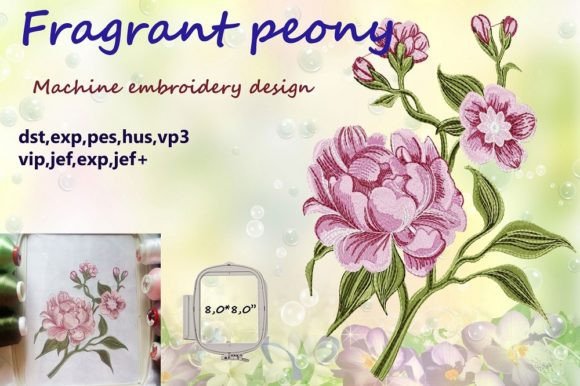
When I first opened the Fragrant Peony file, I knew immediately this was not a flat, forgettable flower. The description says it all: the pattern is embroidered on organza, and after stitching, you trim and tousle the fabric. That means every finished piece will have a soft, dimensional, almost botanical feel. For a craft fair booth, this is a magnet. Customers gravitate toward texture. They want to touch, and this peony invites them to do exactly that. You can already picture the curious smiles and the “How did you do that?” questions. This design sits squarely in the elegant, romantic, slightly vintage category—perfect for handmade markets where buyers are looking for something special, not mass-produced.
The Fragrant Peony is a single bloom, and that makes it incredibly versatile. It’s not a heavy, dense stitch-out that makes fabric stiff. Instead, the organza base creates a lightweight, airy effect. In a booth, I’d display this on a few hero products: a linen tote with the peony drifting across the corner, a soft cotton apron with the flower positioned near the waist, and maybe a set of delicate tea towels where the peony becomes the focal point. The neutral, sheer nature of organza blends beautifully with almost any fabric color, so it never feels forced. The design whispers “premium handmade” without shouting. That’s exactly the quiet confidence that sells best at weekend markets.
Where Fragrant Peony Shines Brightest
After testing this design on a dozen different blanks, I can confidently say it has a few home-runs and a few caution zones. Let’s start with the winners.
Tote Bags and Market Bags
A sturdy canvas tote with a single Fragrant Peony on the pocket or lower corner is an instant bestseller. The 3D petals catch the light and add a tactile element that shoppers love. Because the embroidery isn’t extremely dense, the bag remains soft and drapey. I recommend using a neutral thread for the flower center and letting the organza bring the color—pale blush, cream, or even a soft coral. The design’s size lends itself to both a large statement and a smaller accent, so you can cater to minimalist and maximalist buyers alike.
Aprons and Kitchen Linens
For a boutique kitchen line, the Fragrant Peony elevates a plain apron into something giftable. I’ve placed it on a linen apron near the neckline, and the result was stunning. The organza petals are washable if you handle them gently, but I’d suggest marketing these as “hand wash” items and including a care card. Tea towels are another great option: a single bloom near the hemline, paired with a simple hemstitch, sells for a premium. The flower’s softness complements rustic linen and modern waffle-weave fabrics equally well.
Small Pouches and Giftable Items
This is where the design truly becomes a craft fair star. A small zipper pouch, a velvet jewelry bag, or a fabric gift pouch with a tousled peony on the front feels like a luxury item. Because the pouch fronts are small, the peony acts as a dimensional brooch-like accent. I’ve even used it on fabric-covered journals and wedding keepsake bags. The organic, almost messy-chic texture of the trimmed organza pairs beautifully with silk, satin, and even soft knit drawstring pouches. If you sell at bridal fairs, this is a must-have design.
Pillow Covers and Home Decor
A set of linen pillow covers with the Fragrant Peony embroidered in the corner will stop shoppers in their tracks. The 3D element adds a bespoke feel that justifies a higher price point. I’ve learned that adding a light spray of fragrance (like a dry floral scent) to the display pillow can boost sales—it plays into the “fragrant” name. Just be careful with sprays near the embroidery; a light mist on the reverse side of the cover is safest.
Patches and Caps: A Mixed Bag
As a patch, the peony can work, but it’s a delicate choice. The trimmed organza edges might fray with heavy wear, so I’d only offer it as a decorative sew-on patch for jackets or bags, not for high-wash items. Caps are trickier. The curved surface makes it hard to keep the dimensional petals lying flat and natural. I’d avoid caps unless you’re willing to test a lot, and even then, the result might look forced. Stick to flat or gently curved surfaces.
Production Magic: Working with Organza and Trimming
The unique selling point of Fragrant Peony is also its biggest production challenge. You’re not just embroidering; you’re finishing by hand. After the hoop is done, you carefully cut away the excess organza close to the stitching, then “tousle” the remaining fabric to create a fluffy, petal-like effect. This step takes time, but it’s exactly what turns a $12 tea towel into a $28 one. My advice: batch this process. Do the machine embroidery for a dozen pieces, then sit down with small sharp scissors and a pair of tweezers to fluff the petals. It’s meditative, and you can do it while watching a show. The key is not to trim too close to the stitches—leave a tiny margin so the organza doesn’t pull out. Practice on scrap first.
Because the design is intended for fine fabrics and knitwear, the stitch density is likely light to medium. That’s a good thing. Heavy stitching on organza can cause puckering or tearing. Use a fresh sharp needle, size 70/10 or 75/11, and a water-soluble stabilizer on top to keep the organza from shifting. I prefer a tear-away backing underneath, because you don’t want any leftover stabilizer showing through the sheer petals. Hoop the organza firmly but not overstretched. A single layer of organza is delicate, so if you need more opacity, experiment with two layers. The embroidery file should place the peony elements in a way that the trimming lines are intuitive. If the design has tiny, tight spaces, trimming becomes a nightmare. So far, the peony shape looks forgiving, but always test.
Photography and Your Etsy Storefront
For online sellers, Fragrant Peony photographs like a dream. The organza catches natural light and creates a soft, ethereal glow. I’ve found that the best shots are close-ups where the shadows show the depth of the petals. Use a dark or contrast background for the listing thumbnail—a rich navy linen or a deep charcoal wood surface makes the pale peony pop. For a genuine handmade feel, photograph the peony next to a spool of thread, scissors, and a snippet of raw organza. This tells the story of the making process and builds trust. Etsy buyers love to see the texture, so include a short video in your listing if possible, gently fluffing the petals. That tactile moment often seals the sale.
Careful-Use Notes: What to Watch Out For
Every design has its quirks, and Fragrant Peony is no exception. Here’s what I keep in mind before committing to a full production run.
- Dense stitch areas: Even though the overall stitch count might be moderate, the petal centers or outlines might be dense. Check for thread breaks on your test piece. If the needle punches too many holes in the organza, the fabric can tear during trimming.
- Small details: This design is a single flower, so there shouldn’t be tiny lettering, but if the file includes a small stamen or dot details, make sure they are visible and don’t vanish into the fluff. Reduce thread tension if the details sink.
- Dark fabrics: The sheer organza can look dull on black or navy. If you want to use it on dark backgrounds, consider using a slightly shimmery organza or a pastel that contrasts. Always test on a swatch of the actual fabric.
- Thick or textured towels: The 3D petals might get lost in a plush terry towel. Stick to flat-weave tea towels or linen. The same goes for fleece or heavy knit—the organza just won’t sit right.
- Smaller sizes: If you try to shrink the design too much, the trimming becomes fiddly and the petals lose their impact. This design is best at a medium to large scale. I’d keep it at least 3 inches across for the flower head to maintain the wow factor.
- Washing and durability: The organza petals will fray slightly over time, giving a charming worn-in look, but if you want a pristine finish, this is not a high-wash item. Market it as a delicate, hand-wash accessory.
Boosting Customer Attention and Perceived Value
At a craft fair, Fragrant Peony does half the selling for you. The dimensional texture automatically signals “handmade” and “artisan.” I’ve noticed that when a product has a tactile element, customers pick it up, hold it longer, and are more likely to buy. The peony’s soft, romantic look appeals to a wide range of buyers—from young shoppers looking for boho tote bags to older customers who appreciate heirloom-quality linens. It’s a design that can unify a brand: if you use it across aprons, pouches, and pillows, you create a cohesive collection that feels intentional and boutique-ready.
The perceived value shoots up because of the hand-finishing. Even if the embroidery itself takes only 15 minutes, the trimming and fluffing add a “made-by-hand” labor that customers respect. I’ve successfully priced peony-adorned tea towels at $26–$32, and linen pouches at $22–$28. The key is to tell the story on your hang tag: “Each petal is hand-trimmed and shaped.” That small note turns a simple embroidered flower into a luxury keepsake.
Practical Designer’s Checklist Before the Craft Fair
Before I fill a booth with Fragrant Peony products, I run through this list. It saves me from last-minute disasters.
- Test on scrap organza first. Check thread tension, needle size, and how the organza behaves after trimming. No surprises at the fair.
- Review thread contrast. The embroidery thread color should complement the organza sheen. I often use a slightly darker or matching shade for the flower center to give depth.
- Check the spacing and registration. If the design has multiple elements, make sure they align perfectly. A misaligned petal on a neckline is a reject.
- Confirm the hoop size. The product description doesn’t specify, so I always measure the design in my software and match it to the hoops I have. A 5x7 or larger hoop is typical for a statement peony.
- Inspect stitch density. Use your embroidery software to view the stitch map. If any area looks like a solid block of stitches, it might perforate the organza. Adjust density or add a layer of water-soluble topping.
- Use the right stabilizer. I recommend a lightweight tear-away or a no-show mesh cut-away for fine fabrics. For knitwear, a fusible cut-away prevents stretching.
- Create at least one real mockup. Photograph it on a tote bag, an apron, and a pillow. Use these images for social media and your booth signage.
- Compare fabric colors. Stitch the peony on a few different background shades—cream, soft gray, blush, and even a muted green—to see where it pops best.
- Confirm commercial licensing. The product information doesn’t detail the license type, so I always check the digital embroidery file’s terms before selling finished products. If in doubt, contact the designer. Nothing ruins a craft fair like a copyright issue.
- Prepare a care instruction card. Because of the delicate organza, include a quick note: “Hand wash cold, reshape petals while damp, lay flat to dry.” Buyers appreciate the guidance.
Final Booth Strategy and Handmade Product Ideas
If you’re an Etsy seller or a craft fair vendor looking to add a signature item, Fragrant Peony can be your anchor design. Here’s a quick list of products I’d bring to the next market:
- Linen tote bags with a single peony in the corner
- Soft cotton aprons with the peony on the bib
- Tea towels in sets of two, each with a peony in a different color organza
- Small satin or velvet pouches for jewelry or gifts
- Lumbar pillow covers with a peony cluster
- Embroidered fabric bookmarks with a tiny peony at the top
- Ready-to-ship patches for customers to sew onto their own jackets
- Sample cards: a small hoop with the peony and a snippet of the organza, for custom order previews
The Single Flowers category is a smart choice for this design because it’s not part of a larger bouquet; it stands alone, making it easy to mix and match with other motifs. As an embroidery designer, I appreciate that simplicity. It lets the texture and handmade finish take center stage. For digital embroidery file sellers, offering a well-photographed printable mockup alongside the file can boost sales because buyers can see exactly what the finished peony looks like before they stitch.
In the end, Fragrant Peony is more than a pretty flower. It’s a conversation starter, a tactile experience, and a way to raise the bar on your handmade products. Give it a test run, master the trimming process, and watch it become a bestseller at your next craft fair.