Rose and Diamond Frame: A Designer’s Honest Review
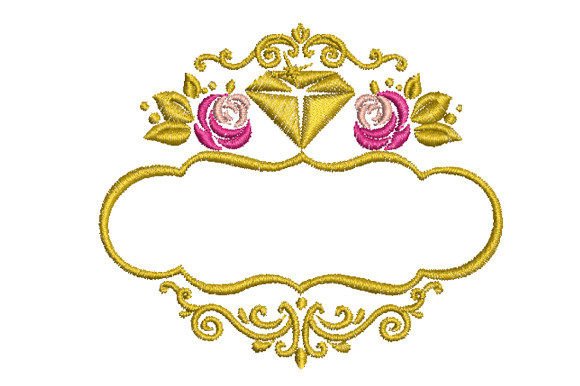
When I first opened the Rose and Diamond Frame embroidery file, I immediately felt the patience behind it. This is not a quick, simple border you toss onto a corner and call it done. The design carries that unmistakable Thai pattern influence—intricate, layered, and demanding of your full attention. The rose motifs sit inside a diamond-shaped framework that feels both structured and ornamental, the kind of layout that naturally draws the eye inward and then pushes it outward along the edges. For anyone who works with Borders in machine embroidery, you know how rare it is to find something that balances complexity with actual wearable beauty. This one leans heavily into the ornate side, and honestly, I appreciate that.
What struck me right away was the mood. It reads as elegant but not fragile, detailed but not chaotic. The diamond frame gives it a geometric anchor, while the rose elements soften the overall shape. I could see this sitting beautifully on a linen pillow cover in a boutique home decor shop, or framed as a decorative accent on a structured tote bag. It has a slightly vintage, heirloom feel, but with enough crispness that it wouldn't look out of place on modern apparel either. The visual personality is confident—it knows it's decorative and doesn't apologize for it.
Where This Design Truly Belongs
After studying the stitch flow and imagining how this would behave on different substrates, I kept returning to a few specific product ideas. The Rose and Diamond Frame feels like it was made for projects where the embroidery is the main event, not just a supporting detail. Think about a high-end apron for a culinary brand, or a personalized wedding gift on a plush cotton throw blanket. The frame shape naturally contains monograms or small text inside, so I immediately pictured a client's initials centered within the diamond, surrounded by the rose detailing. That kind of application would sell itself on Etsy or at a craft fair.
For small business owners and handmade shop owners, this design offers real versatility. I can see it on a set of embroidered tea towels bundled as a holiday gift, each one in a different thread color to match a kitchen palette. On a sweatshirt, placed at the center chest or even on the upper back between the shoulders, it would create a statement piece that doesn't scream "mass produced." The diamond frame gives it a badge-like quality, almost like a premium patch, which makes it excellent for boutique branding. If you sell physical products, this design elevates the perceived value of whatever it touches.
A Real Project Scenario: The Custom Tote That Almost Wasn't
Let me walk you through a real case. I was prepping a custom embroidered tote bag for a client who wanted something botanical but not overly floral—structured, not scattered. The Rose and Diamond Frame came to mind because the diamond shape would sit perfectly centered on the front panel of a mediumweight canvas tote. I tested it on scrap fabric first, which I cannot recommend strongly enough. The first run showed me that the small inner rose petals needed a clean, sharp needle and a medium-weight cutaway stabilizer to prevent puckering on the textured canvas. Once I adjusted the stabilizer and slowed the machine speed slightly, the result was stunning. The client loved it, and the finished product looked like something you'd find in a curated boutique.
That experience taught me something important about this design. It rewards preparation. If you rush into stitching it on a final garment without testing, you might miss the nuance of how the satin stitch sections interact with the fill stitch areas. The density appears well-balanced, but the intricacy means you need to be honest about your hoop size and fabric choice. This isn't a design you casually throw onto a thin t-shirt and hope for the best. It wants a stable foundation.
Fabrics, Surfaces, and the Delicate Dance of Texture
Speaking of fabric, let's talk about where the Rose and Diamond Frame shines and where it struggles. On smooth, medium-weight cottons, linens, and even soft denims, the stitch definition holds beautifully. The rose petals read clearly, and the diamond border stays crisp. On plush fabrics like fleece or thick terry cloth, the small details can get swallowed, so I'd recommend a water-soluble topper to keep the stitches from sinking. Stretchy fabrics like jersey or performance knits need extra care—a good fusible mesh stabilizer is non-negotiable here, otherwise the frame can distort slightly as the fabric moves during stitching.
Dark fabrics present an interesting opportunity. The design's decorative nature means it can handle a bold thread color choice. I tested a mockup in metallic gold on deep navy, and the contrast was striking. On lighter backgrounds, a softer palette—dusty rose, sage green, warm taupe—brings out the romantic quality of the rose motifs. The key is checking the thread color contrast before committing. What looks good on screen might wash out on a cream-colored linen after stitching, so I always run a quick black-and-white preview to see if the values hold up.
Small Hoops, Big Ambitions, and Honest Limitations
One thing I need to address directly is hoop size. The Rose and Diamond Frame is detailed and intricate, and trying to squeeze it into a 4x4 hoop would likely compress the small rose elements to the point of losing clarity. If you're working with a single-needle machine with a smaller embroidery field, check the design dimensions carefully before purchasing. The description mentions this pattern required patience and care due to its difficulty, and that tells me the original digitizer intended it for a hoop that gives the details room to breathe. A 5x7 or larger hoop is probably your safest bet, though you should confirm the exact size with the seller.
Curved surfaces like caps and hats are another area where I'd approach with caution. The diamond frame has straight edges that can warp slightly on a curved cap front, especially near the crown seam. If you're determined to use it on headwear, consider shifting the placement to the side panel rather than the center front, or scaling it down slightly and letting the design sit flatter. Patches are a great alternative—sew it onto a sturdy backing, add a merrowed edge, and now you have a premium embroidered patch that works on hats, bags, and jackets without the direct-hooping headache.
The Customer's Eye: What Buyers Actually Notice
When you sell finished products with this design, the first thing customers notice is the craftsmanship. The Rose and Diamond Frame has a luxury feel that makes people pause and look closer. That's a huge advantage in a crowded marketplace. Whether you're listing on Etsy, displaying at a craft fair, or building your own small shop brand, the design's visual complexity signals quality. It tells the buyer, "Someone took time with this." That builds trust, and trust builds repeat sales.
For giftability, this design is a winner. Imagine a personalized baby blanket with the rose and diamond frame surrounding the child's name and birthdate. Or a wedding gift—a set of embroidered pillowcases in the couple's colors, with the frame encasing their initials. These are the kinds of products that become keepsakes. They don't get tossed in a drawer; they get displayed, used, and photographed. That's the kind of emotional engagement you want your handmade products to create.
Practical Notes From the Stitching Table
Before you load this design onto your machine, here's what I want you to do. First, test it on scrap fabric that matches your final project material. Don't skip this step. Second, check your thread colors under the lighting conditions where the finished product will be seen—daylight, warm indoor light, or booth lighting at a market. Third, inspect the stitch density in the small rose centers. If your machine tends to chew up dense areas, run a slower speed or use a sharper needle. Fourth, confirm the stabilizer type. For most applications, a medium cutaway will give you the stability you need without adding bulk. For delicate fabrics like handkerchiefs or lightweight linens, a tear-away with a light fusible backing works well.
I also recommend testing the design in a monochrome mockup. Strip the color away and look at the shape alone. If the diamond frame still reads clearly and the roses hold their form, you know the digitizing is solid. That's a quick quality check I use on every new design before it goes into a client project. The Rose and Diamond Frame passed that test for me, but you should still verify with your own setup.
Licensing, Commercial Use, and Protecting Your Business
One area where I see too many makers get into trouble is licensing. Before you sell finished items with the Rose and Diamond Frame, confirm the license terms with the seller. Most embroidery design shops allow commercial use on physical products, but some restrict digital resale or limit the number of items you can produce. If you plan to offer this as part of a boutique product line, make sure you're covered. The same goes for digital product sellers who might want to use it in printable mockups or design assets. Always check, never assume. A quick message to the designer can save you a headache later.
Final Thoughts on the Frame That Deserves Attention
What I keep coming back to with the Rose and Diamond Frame is how it respects the craft. This isn't a design that tries to be everything to everyone. It's intentionally ornate, proudly decorative, and unapologetically detailed. For the right project, it's exceptional. For the wrong one—say, a rushed last-minute gift on a flimsy fabric—it'll fight you. But that's not a flaw in the design. That's just embroidery. The best designs ask you to rise to their level, and this one does exactly that.
If you're an embroidery designer, a small business owner, or a crafter who values visible quality and isn't afraid of a little preparation, the Rose and Diamond Frame belongs in your collection. Use it on tote bags, pillow covers, aprons, blankets, and boutique apparel. Let it anchor your monograms and frame your creative vision. Just give it the stable fabric, the right hoop, and the patience it deserves. The result will be a finished product that looks expensive, feels personal, and sells itself.